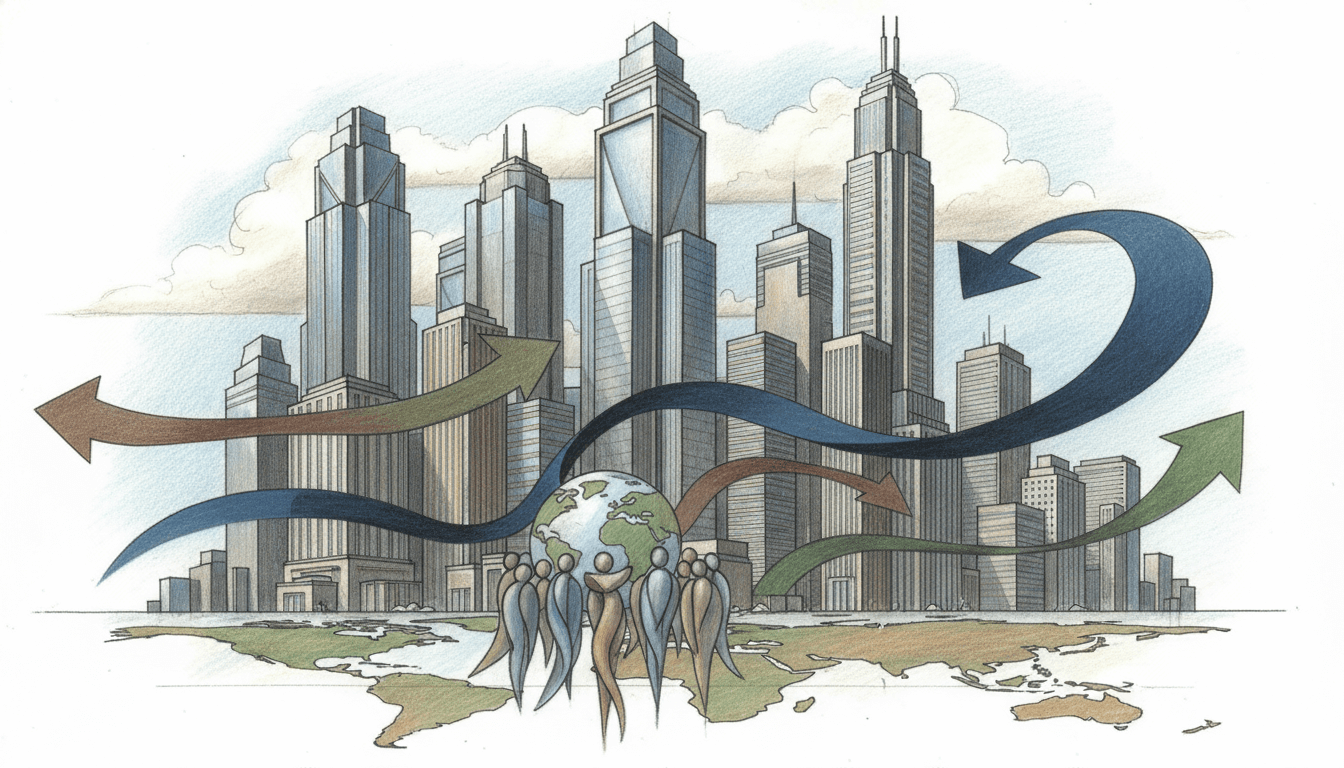
Urban Real Estate Development Trends: Global Mega-City Property Investment Analysis
This comprehensive analysis examines urban real estate development trends driven by rapid urbanization, projected to reach 68% global urban population by 2050. We compare investment opportunities in key mega-cities including Beijing, Mumbai, and Lagos, analyzing residential and commercial property markets, infrastructure developments, regulatory environments, and growth potential. The comparison reveals distinct advantages and challenges across these emerging urban centers, providing investors with data-driven insights for strategic property allocation in high-growth urban markets.

Urbanization represents one of the most significant demographic shifts of the 21st century, with United Nations projections indicating 68% of the global population will reside in urban areas by 2050. This massive urban migration, driven by employment opportunities, improved living standards, and infrastructure development, has created unprecedented demand for both residential and commercial properties in expanding mega-cities. According to Straits Research and UN Population Projections, cities like Beijing, Mumbai, and Lagos exemplify this trend, each presenting unique investment characteristics, growth patterns, and market dynamics. This comprehensive comparison analyzes these three representative urban centers to provide investors with actionable insights for navigating the complex landscape of urban real estate development.
Beijing Urban Real Estate Market
Pros
- Strong government-backed infrastructure development with $150 billion allocated for urban renewal projects
- High rental yields averaging 4.2-5.8% in central business districts
- Stable property appreciation of 6-8% annually despite market regulations
- World-class transportation infrastructure including expanded subway systems and high-speed rail connections
- Growing tech sector driving commercial property demand with 12% annual office space absorption
Cons
- Stringent purchase restrictions for foreign investors requiring 5-year residency permits
- High entry costs with average luxury apartment prices exceeding $15,000 per square meter
- Property tax uncertainties with potential implementation affecting investment returns
- Air quality concerns impacting residential desirability in certain districts
- Oversupply risk in suburban development zones with vacancy rates reaching 18%
Mumbai Real Estate Development
Pros
- Massive infrastructure projects including $3.3 billion coastal road and metro expansion
- Strong commercial demand with IT sector driving 15% annual office space growth
- Affordable housing initiatives creating mid-market investment opportunities
- Rapid urbanization with 350,000 new migrants annually creating rental demand
- REIT market development providing exit strategies for commercial property investors
Cons
- Infrastructure challenges with traffic congestion costing 2.5% of GDP annually
- Regulatory complexity with multiple approval layers increasing project timelines
- Land scarcity driving prices to $12,000 per square meter in premium locations
- Monsoon-related construction delays affecting project completion schedules
- Inconsistent utility services requiring additional investment in backup systems
Lagos Urban Property Market
Pros
- Explosive population growth with 600,000 new residents annually
- Massive housing deficit creating urgent demand for 5 million units
- Government infrastructure focus with $50 billion Lagos-Calabar railway project
- High rental yields reaching 8-12% in premium residential areas
- Growing middle class with disposable income increasing 7% annually
Cons
- Infrastructure deficits with only 40% of residents having reliable electricity
- Title documentation challenges requiring extensive due diligence
- Currency volatility creating foreign exchange risks for international investors
- Security concerns in certain districts affecting property values
- Limited mortgage availability with only 3% of properties purchased through financing
Detailed Comparison Table
| Metric | Beijing | Mumbai | Lagos |
|---|---|---|---|
| Population Growth Rate | 1.8% annually | 3.2% annually | 4.1% annually |
| Average Property Appreciation | 6.7% | 8.2% | 12.5% |
| Gross Rental Yield | 4.8% | 5.3% | 9.2% |
| Infrastructure Investment | $75 billion | $45 billion | $30 billion |
| Regulatory Stability | High | Medium-High | Medium |
| Market Maturity | Established | Developing | Emerging |
| Foreign Investment Restrictions | High | Medium | Low |
| Housing Supply-Demand Gap | Balanced | Moderate deficit | Severe deficit |
Verdict
The comparative analysis reveals distinct investment profiles across these three mega-cities, each catering to different risk appetites and investment horizons. Beijing offers stability and institutional confidence but faces regulatory constraints and high entry barriers. Mumbai presents balanced growth with improving infrastructure and regulatory frameworks, though challenges remain in execution and land availability. Lagos delivers the highest potential returns with explosive growth and massive unmet demand, but carries significant operational and regulatory risks. Conservative investors may prefer Beijing's mature market, growth-oriented investors might target Mumbai's balanced profile, while risk-tolerant investors could capitalize on Lagos's high-yield opportunities. All three markets benefit from the overarching urbanization trend, but successful investment requires thorough due diligence, local partnerships, and strategic alignment with each city's unique development trajectory and regulatory environment.