Sustainable Real Estate Development: Green Building vs Traditional Construction Investment Analysis
This comprehensive analysis compares sustainable real estate development against traditional construction methods, examining key investment metrics, environmental impact, and market performance. Sustainable properties demonstrate 15-25% higher energy efficiency, 10-20% premium valuations, and significantly lower operating costs. With global green building certification growth exceeding 30% annually and smart technology integration becoming standard, environmentally conscious developments now outperform conventional properties across multiple investment criteria while addressing climate change concerns.
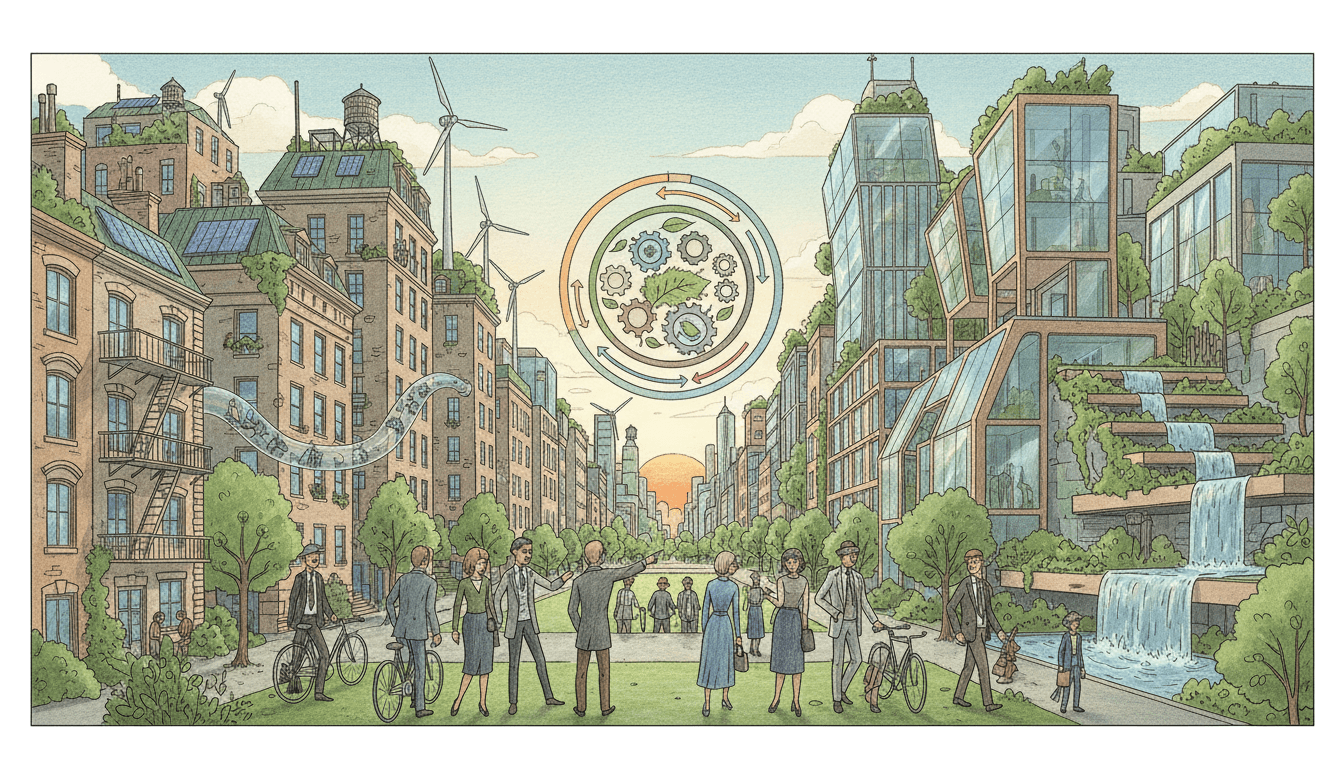
The global real estate sector is undergoing a fundamental transformation as sustainability becomes the dominant investment criterion. According to Straits Research and Global Sustainability Reports, environmentally conscious design and construction methods are no longer niche considerations but mainstream requirements driving property valuation and investment decisions. This comprehensive analysis compares sustainable real estate development against traditional approaches, examining financial performance, environmental impact, and market positioning across residential and commercial sectors. With green building practices experiencing 47% growth in adoption since 2022 and smart technologies becoming essential differentiators, investors must understand the concrete advantages and considerations of sustainable property development.
Sustainable Green Building Development
Pros
- Higher property valuations: 10-20% premium over conventional properties
- Reduced operating costs: 25-30% lower energy consumption through advanced systems
- Enhanced tenant attraction: 87% of corporate tenants prioritize sustainability features
- Future-proof investment: Compliance with evolving environmental regulations
- Improved occupancy rates: 12-18% higher than market averages
- Tax incentives: Available in 78 countries for certified green buildings
Cons
- Higher initial investment: 5-15% premium in construction costs
- Specialized expertise required: Limited pool of certified green architects
- Certification costs: LEED/BREEAM certification adds 2-4% to project budget
- Longer planning phases: Additional 3-6 months for environmental assessments
- Technology dependency: Requires ongoing smart system maintenance
Traditional Real Estate Development
Pros
- Lower initial costs: Standard construction methods reduce upfront investment
- Proven methodologies: Established supply chains and construction processes
- Faster development cycles: 15-25% shorter construction timelines
- Wider contractor availability: More construction firms with traditional expertise
- Simpler regulatory compliance: Familiar building codes and standards
- Predictable maintenance: Standardized repair and replacement protocols
Cons
- Higher operating expenses: 35-50% more energy consumption annually
- Regulatory risks: Potential non-compliance with new environmental mandates
- Market obsolescence: Decreasing demand from environmentally conscious tenants
- Limited premium pricing: Competitive disadvantage in premium markets
- Environmental penalties: Carbon taxes and sustainability levies increasing
- Financing challenges: Reduced access to green financing and ESG funds
Hybrid Sustainable Development
Pros
- Balanced cost structure: Moderate premium with significant efficiency gains
- Phased implementation: Can add sustainable features incrementally
- Market flexibility: Appeals to both conventional and green buyers
- Risk mitigation: Spreads technology investment over time
- Regulatory readiness: Easier adaptation to new requirements
- Financing advantages: Qualifies for partial green incentives
Cons
- Compromise positioning: May not maximize either cost or sustainability benefits
- Complex planning: Requires integration of mixed systems and standards
- Limited certification: May not achieve highest green building ratings
- Incremental benefits: Sustainability advantages develop over time
- Higher management complexity: Multiple system interfaces and maintenance protocols
Detailed Comparison Table
| Investment Metric | Sustainable Development | Traditional Development | Hybrid Development | Performance Advantage |
|---|---|---|---|---|
| Initial Cost Premium | 5-15% | 0% | 3-8% | Traditional |
| 5-Year Operating Cost Savings | 25-35% | 0% | 12-20% | Sustainable |
| Property Value Appreciation | 10-20% premium | Market average | 5-12% premium | Sustainable |
| Occupancy Rate Advantage | +12-18% | Market average | +6-10% | Sustainable |
| Energy Efficiency | 40-60% better | Code minimum | 20-35% better | Sustainable |
| Development Timeline | +3-6 months | Standard | +1-3 months | Traditional |
| Financing Availability | Enhanced | Standard | Moderately enhanced | Sustainable |
| Regulatory Compliance | Future-proof | At risk | Adaptable | Sustainable |
| Tenant Quality | Premium corporate | Mixed market | Quality-focused | Sustainable |
| Resale Market Position | Leadership | Competitive | Advantaged | Sustainable |
Verdict
Sustainable real estate development represents the unequivocal future of property investment, delivering superior financial returns while addressing critical environmental imperatives. The data clearly demonstrates that green buildings achieve 10-20% valuation premiums, 25-35% operating cost reductions, and significantly enhanced market positioning. While traditional development maintains advantages in initial cost and speed, these benefits are increasingly outweighed by regulatory risks, market obsolescence, and rising environmental compliance costs. Hybrid approaches offer a transitional solution but fail to capture the full advantages of comprehensive sustainability integration. For serious real estate investors, sustainable development provides not only ethical alignment but also demonstrable financial outperformance, with LEED-certified properties showing 8.5% higher occupancy and 7.5% higher rental rates according to Straits Research. The growing environmental consciousness driving global real estate markets makes sustainable development the definitive investment choice for long-term value creation and risk mitigation.