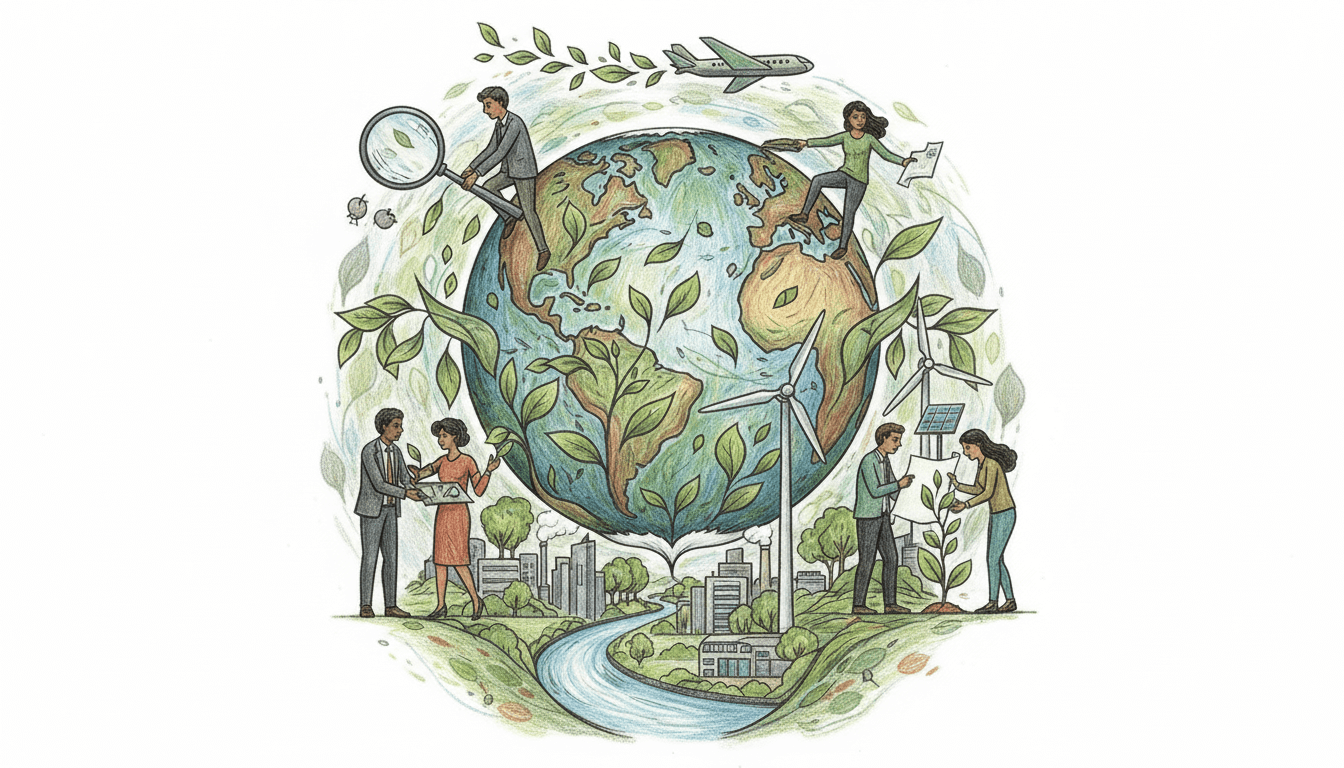
Social Impact Investment in Real Estate: Balancing Financial Returns with Social Responsibility
This comprehensive guide explores socially responsible real estate investments that generate measurable positive impacts alongside competitive financial returns. We examine key impact categories including affordable housing, community development, and sustainable infrastructure, detailing how investors can implement balanced investment principles. The article provides actionable strategies for assessing social return on investment while maintaining financial viability, featuring case studies and industry data demonstrating successful implementation across global markets.
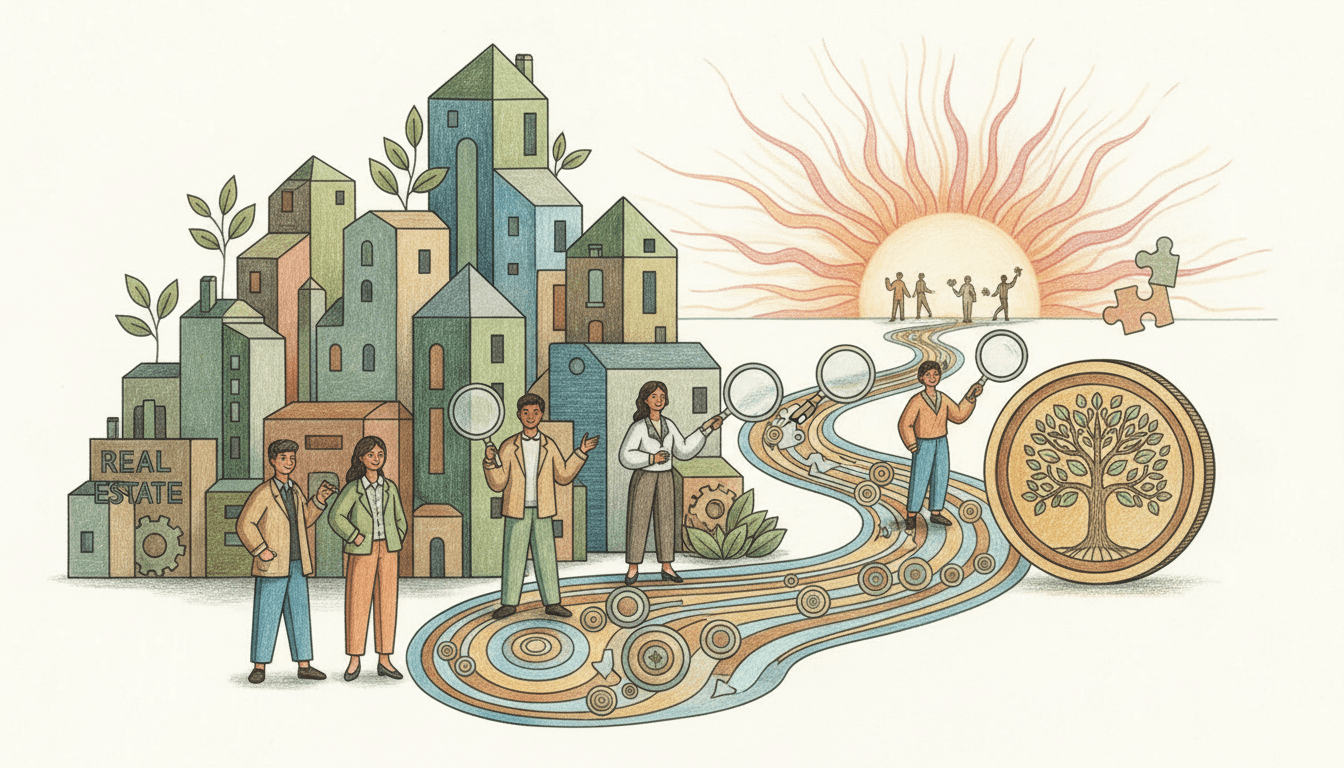
The global real estate market is undergoing a fundamental transformation as investors increasingly recognize that financial returns and social responsibility are not mutually exclusive objectives. Social impact investment in real estate represents a sophisticated approach that deliberately targets properties and developments generating measurable positive social and environmental impacts while delivering competitive financial performance. According to the Global Impact Investing Network, the real estate sector accounts for approximately 15% of the $1.2 trillion impact investing market, with annual growth rates exceeding 20% as institutional and individual investors seek to align their portfolios with their values. This paradigm shift reflects evolving consumer preferences, regulatory changes, and growing awareness of real estate's profound influence on community wellbeing, environmental sustainability, and economic opportunity.
Core Principles of Social Impact Real Estate Investing
Social impact real estate investing operates on the fundamental principle of achieving balanced financial and social returns, requiring investors to adopt a dual-bottom-line approach that measures success through both traditional financial metrics and social impact indicators. The investment framework encompasses three critical dimensions: intentionality in targeting specific social outcomes, measurement of social performance using standardized metrics, and financial viability ensuring market-rate or market-approaching returns. Leading institutional investors typically allocate between 5-15% of their real estate portfolios to impact strategies, with average returns ranging from 6-9% depending on asset class and risk profile. The implementation requires rigorous due diligence processes that evaluate not only location, construction quality, and market fundamentals but also community needs assessments, environmental impact studies, and long-term sustainability plans. Successful impact investors employ sophisticated impact measurement frameworks such as IRIS+ metrics developed by the Global Impact Investing Network or the UN Sustainable Development Goals alignment tools to quantify social performance alongside financial returns.
Affordable Housing: Addressing Global Housing Crises
Affordable housing represents the largest and most established category within social impact real estate, addressing critical housing shortages affecting over 1.6 billion people globally according to World Bank estimates. Impact investors deploy various strategies including acquisition and preservation of existing affordable units, new construction targeting middle and low-income households, and public-private partnerships with government housing agencies. Financially, affordable housing investments typically yield 5-7% returns with lower volatility than conventional residential real estate, supported by government subsidies, tax incentives, and stable tenant demand. In the United States alone, the Low-Income Housing Tax Credit program has facilitated the development of over 3.4 million affordable homes since 1986, with private investors providing crucial capital through equity investments. Successful affordable housing projects incorporate resident services programs addressing education, employment, and health needs, demonstrating that comprehensive community support enhances both social outcomes and financial performance through reduced vacancy rates and improved property maintenance.
Community Development Initiatives and Economic Empowerment
Community development real estate investments focus on revitalizing underserved neighborhoods through strategic property development that creates economic opportunities, improves local infrastructure, and enhances community resources. These investments typically target commercial properties including community retail centers, small business incubators, healthcare facilities, and educational institutions located in economically distressed areas. According to industry data, community development real estate generates approximately 8-12% returns while creating 2.3 local jobs per $1 million invested and increasing surrounding property values by 5-15% within three years of project completion. The most successful community development strategies employ place-based approaches that coordinate multiple investments within specific geographic areas, creating synergistic effects that amplify individual project impacts. Essential components include community engagement processes ensuring local resident input, minority and women-owned business participation requirements, and long-term wealth creation mechanisms such as community land trusts and resident ownership opportunities that prevent displacement and ensure lasting community benefits.
Sustainable Infrastructure and Green Building Standards
Sustainable infrastructure investments encompass properties designed, constructed, and operated to minimize environmental impacts while enhancing occupant health and productivity. These developments adhere to rigorous green building standards including LEED certification, BREEAM assessment, or Living Building Challenge criteria, incorporating energy-efficient systems, water conservation technologies, sustainable materials, and renewable energy generation. Industry research demonstrates that certified green buildings command 7% higher rents, 6% higher occupancy rates, and 8% lower operating costs compared to conventional buildings, translating to superior financial performance alongside environmental benefits. The global green building market is projected to reach $1.2 trillion by 2030, driven by regulatory requirements, corporate sustainability commitments, and growing tenant demand for healthy, efficient spaces. Beyond individual building performance, sustainable infrastructure investments increasingly focus on district-scale solutions including renewable energy microgrids, green stormwater management systems, and low-carbon transportation networks that create community-wide environmental benefits while enhancing property values and investment returns.
Measuring Social Return on Investment (SROI)
Quantifying social return on investment requires sophisticated measurement frameworks that capture both quantitative and qualitative impacts across multiple dimensions. The most advanced SROI methodologies assign monetary values to social outcomes including reduced public service costs, increased tax revenues, improved health outcomes, educational attainment gains, and environmental benefits. Comprehensive SROI analysis for social impact real estate typically evaluates outcomes across four key domains: economic (job creation, local business revenue, property values), social (community cohesion, public safety, health outcomes), environmental (carbon reduction, resource conservation, biodiversity), and individual (housing stability, educational achievement, economic mobility). Industry benchmarks indicate that well-executed social impact real estate projects generate $2.50-$4.00 in social value for every $1.00 invested, with affordable housing projects at the higher end of this range due to their direct impact on fundamental human needs. Leading impact investors utilize third-party verification and annual impact reporting to ensure transparency and accountability, building investor confidence and enabling continuous improvement of impact strategies.
Key Takeaways
- Social impact real estate delivers competitive financial returns (6-9% average) alongside measurable social benefits
- Affordable housing represents the largest impact category, addressing global housing shortages affecting 1.6+ billion people
- Community development investments generate significant economic multiplier effects including job creation and local business growth
- Sustainable buildings achieve 7% higher rents and 8% lower operating costs through efficiency improvements
- Comprehensive SROI measurement demonstrates $2.50-$4.00 social value created per $1 invested in impact properties
- Successful implementation requires intentional targeting, rigorous measurement, and community engagement throughout project lifecycle
Frequently Asked Questions
What financial returns can investors expect from social impact real estate?
Social impact real estate typically generates 6-9% annual returns depending on asset class, risk profile, and impact strategy. Affordable housing tends toward the lower end of this range (5-7%) with higher stability, while community development and sustainable infrastructure often achieve 8-12% returns. These returns compare favorably with conventional real estate while providing additional social benefits and potentially lower volatility due to government partnerships and stable tenant demand in essential housing categories.
How do investors measure social impact in real estate investments?
Impact measurement employs standardized frameworks including IRIS+ metrics, UN SDG alignment tools, and proprietary SROI methodologies. Quantitative measures include affordable housing units created, local jobs generated, carbon emissions reduced, and community services provided. Qualitative assessment captures resident satisfaction, community cohesion, and health outcomes. Leading investors commission third-party impact verification and publish annual impact reports detailing both financial performance and social outcomes using consistent, comparable metrics.
What are the primary risks associated with social impact real estate?
Key risks include execution complexity in balancing financial and social objectives, regulatory dependence for affordable housing incentives, community acceptance challenges, and impact measurement uncertainties. Mitigation strategies include thorough due diligence, experienced operator partnerships, phased implementation approaches, and diversified impact portfolios across multiple property types and geographic markets. Political and policy risks can be managed through non-partisan community engagement and long-term contractual arrangements that survive political transitions.
How can individual investors participate in social impact real estate?
Individual investors access impact real estate through specialized REITs, crowdfunding platforms, community development financial institutions, and impact-focused real estate funds. Minimum investments range from $500 on crowdfunding platforms to $50,000+ for private fund participation. Due diligence should assess both financial underwriting and impact measurement capabilities, prioritizing operators with proven track records, transparent reporting, and independent verification of social outcomes.
Conclusion
Social impact investment in real estate represents a sophisticated evolution in property investment strategy, demonstrating that financial returns and positive social outcomes are complementary rather than competing objectives. The three core impact categories—affordable housing, community development, and sustainable infrastructure—each offer distinct opportunities to generate measurable social benefits while achieving competitive financial performance. As impact measurement methodologies mature and investor demand grows, social impact real estate is transitioning from niche strategy to mainstream investment approach. The continued growth of this sector will depend on transparent impact reporting, innovative financing structures, and collaborative partnerships between private investors, public agencies, and community stakeholders. For forward-thinking investors, social impact real estate offers the opportunity to build wealth while contributing to more equitable, sustainable, and resilient communities worldwide.