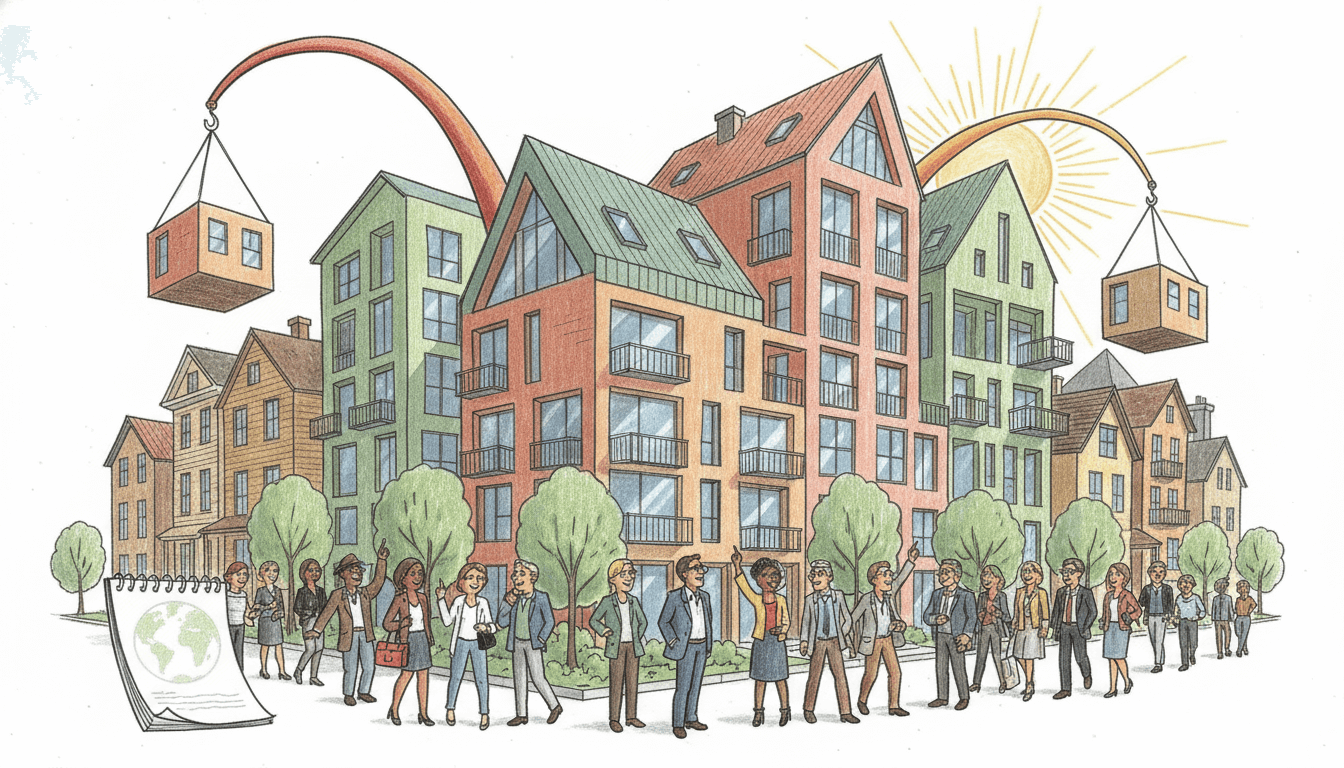
U.S. Housing Market 2025-2030: Comprehensive Analysis and Projections
The U.S. housing market from 2025 to 2030 is projected to experience moderate growth amid persistent affordability challenges. Mortgage rates are expected to stabilize between 6-7%, with potential reductions in late 2025 or early 2026. Home prices will see a gradual 10-11% cumulative increase over the five-year period, while existing home sales show slow but steady growth. This review examines key market drivers, regional variations, and strategic recommendations for buyers, sellers, and investors navigating this evolving landscape.

Pros
- Market stability with predictable 6-7% mortgage rate environment reduces volatility risk
- Sustainable 2-2.2% annual price appreciation prevents bubble formation
- Gradual sales increase indicates steady demand without overheating
- Potential rate reductions in late 2025/early 2026 could improve affordability
- Balanced market conditions favor both cautious buyers and long-term investors
Cons
- Persistent affordability challenges despite moderate price growth
- High mortgage rates compared to historical lows constrain purchasing power
- Limited inventory in starter home categories exacerbates entry barriers
- Regional disparities may create localized affordability crises
- Slow appreciation may not meet return expectations for short-term investors
Our Analysis
Our analysis of the U.S. housing market projection data reveals a market transitioning toward normalization after the pandemic-era volatility. The forecasted 6-7% mortgage rate range represents a significant increase from the sub-3% rates seen in 2020-2021, but reflects a more sustainable long-term equilibrium. The projected 10-11% cumulative home price growth from 2025 to 2030 translates to approximately 2-2.2% annual appreciation, significantly below the double-digit gains witnessed during 2020-2022. This moderation suggests a return to traditional market fundamentals rather than speculative fervor. The moderate increase in existing home sales indicates transaction volume recovery without the frenzy that characterized recent years. Regional analysis shows Sun Belt markets continuing to outperform Rust Belt and Northeast regions, though at more measured paces. Inventory levels are expected to gradually improve as homeowners become more comfortable listing properties in a stabilizing rate environment. Construction activity remains constrained by labor and material costs, limiting new supply that could alleviate price pressures. Demographic factors, including millennial household formation and aging baby boomers downsizing, will continue to shape demand patterns. The potential for Federal Reserve rate reductions in late 2025 or early 2026 could provide temporary relief to affordability constraints, though any significant improvement would require coordinated policy interventions addressing supply shortages.
Recommendation
For prospective buyers, we recommend focusing on long-term affordability rather than timing market bottoms. Consider locking in mortgage rates when they approach the lower end of the 6-7% range and prioritize properties with strong fundamentals in growing markets. Sellers should price properties competitively given the moderated appreciation environment and be prepared for longer marketing times. Investors should focus on markets with strong job growth and demographic tailwinds, with expectations aligned to the projected 2-2.2% annual appreciation. All stakeholders should monitor Federal Reserve policy signals closely, as any shift toward rate reductions could create strategic opportunities. Given the forecasted gradual improvements, we maintain a cautiously optimistic outlook for the U.S. housing market through 2030.